
Prescriptive vs. Performance-Based Code in Fire Protection: What’s the Difference?

In most building projects, fire protection begins and ends with prescriptive code. These standardized rules guide nearly every design decision and remain the industry default. But sometimes, a unique challenge — whether an architectural feature, an unforeseen condition, or an unexpected cost — forces the question: is there another way to achieve the same level […]
Electric Vehicle Fire Protection Challenges in Modern Facilities

Modern consumers and commercial fleet owners continue to electrify their transportation, meaning facility managers must account for modern fire protection challenges. The rise of electric vehicles (EVs) in commercial, residential, and industrial spaces has introduced an unprecedented range of new fire risks. Fire protection for vehicle parking has been included in adopted codes, but lithium-ion batteries […]
What Is a QFPE’s Role in UFC Projects?
If you are working on a project where the United Facilities Criteria (UFC) is applicable, there’s a good chance you will run into the Qualified Fire Protection Engineer (QFPE) role. This individual holds various responsibilities for your project that directly impact fire and life safety compliance and successful acceptance. Explore the QFPE’s role in UFC projects and […]
Corey Kinsman Shares Key Lithium-Ion Battery Safety Tips

Kinsman’s advice appears in a recent article for the Phoenix Society for Burn Survivors. Nashville, TN — Corey Kinsman, P.E., a Senior Fire Protection Engineer for Summit Fire Consulting, recently published an article outlining the hidden fire risks of lithium-ion batteries and best practices for using them safely for the Phoenix Society for Burn Survivors, the leading national nonprofit […]
What Is a Fire Risk Assessment & How Is It Done?
Fire safety isn’t something you can leave to guesswork. The good news is that a fire risk assessment helps you take a closer look at the real risks in your building and design fire protection strategies that actually fit the way your facility operates. That’s where a fire risk assessment comes into play. Read on […]
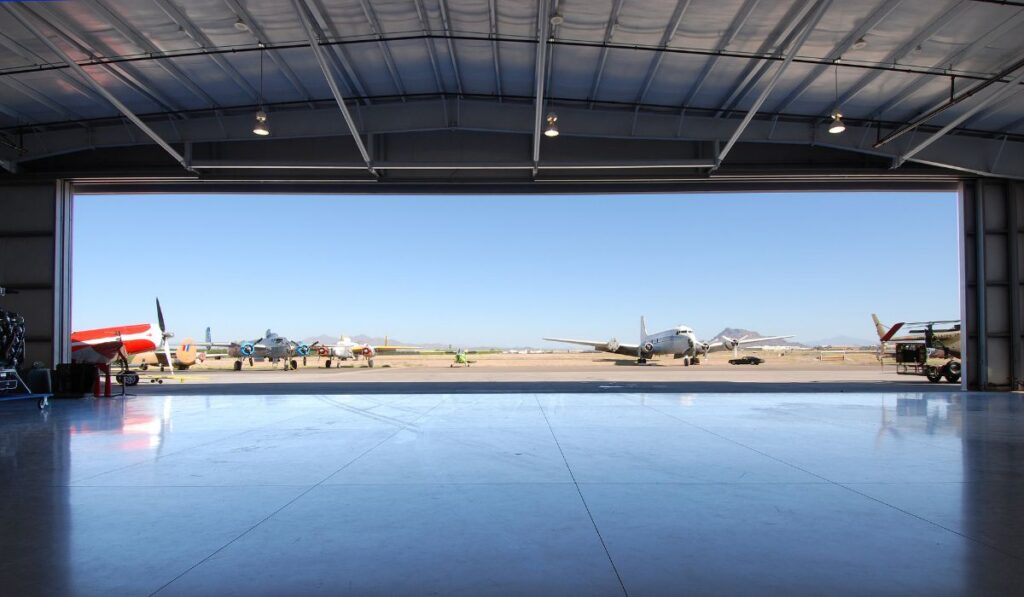
A Smarter Approach to Aircraft Hangar Fire Protection: Understanding Risk-Based Design

Aircraft hangars are unique structures that require specialized fire protection. Historically, these systems have relied heavily on foam-based suppression, designed to address the risk of large fuel spills. However, experience shows that these events are rare. In fact, accidental discharges of these systems are much more common, often causing significant damage to aircraft, facilities, and […]
Summit Fire Consulting’s Raleigh Team to Present 4 Abstracts at SFPE 2025 Annual Conference
The abstracts address evolving fire risks in residential mid-rise buildings, cold storage facilities, aircraft hangars, and battery electric bus garages. Raleigh, NC (August 21, 2025) – Summit Fire Consulting is proud to announce that four abstracts authored by engineers from our Raleigh, North Carolina, office have been selected for presentation at the Society of Fire Protection […]
The Complete Guide to Maximum Allowable Quantity (MAQ) Compliance
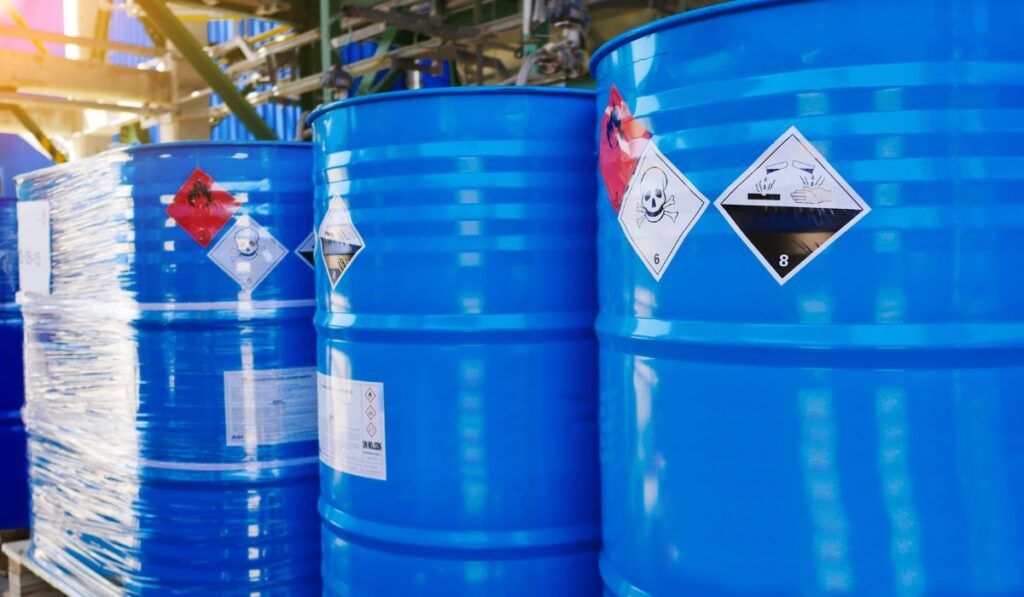
If your facility stores or uses hazardous materials, you must meet maximum allowable quantity (MAQ) compliance requirements. Learn everything you need to know about MAQs, from factors that impact compliance to steps for achieving adherence. Ensuring the safe storage and handling of hazardous materials is among the most vital and persistent jobs your facility must know how […]
NFPA 101: Understanding Life Safety Code Requirements
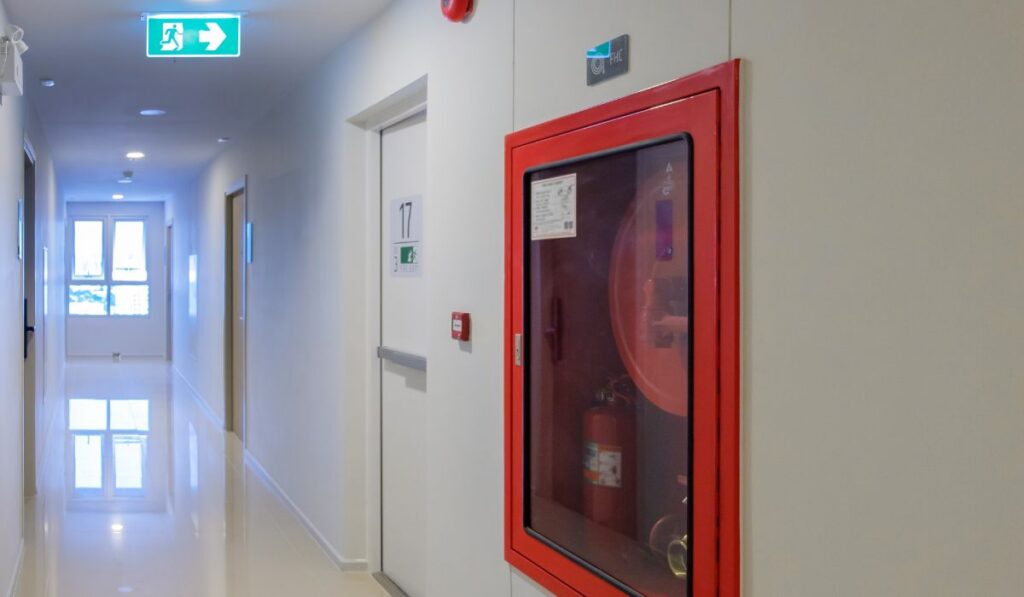
When it comes to protecting building occupants from fire and related hazards, few documents are as essential as the NFPA 101: Life Safety Code. Today, we’re going to look at how the code came about, how it’s used, and most importantly, what the core code requirements mean for your building or facility. In 1911, the Triangle […]
How to Become a Fire Protection Engineer (& Why You Should)
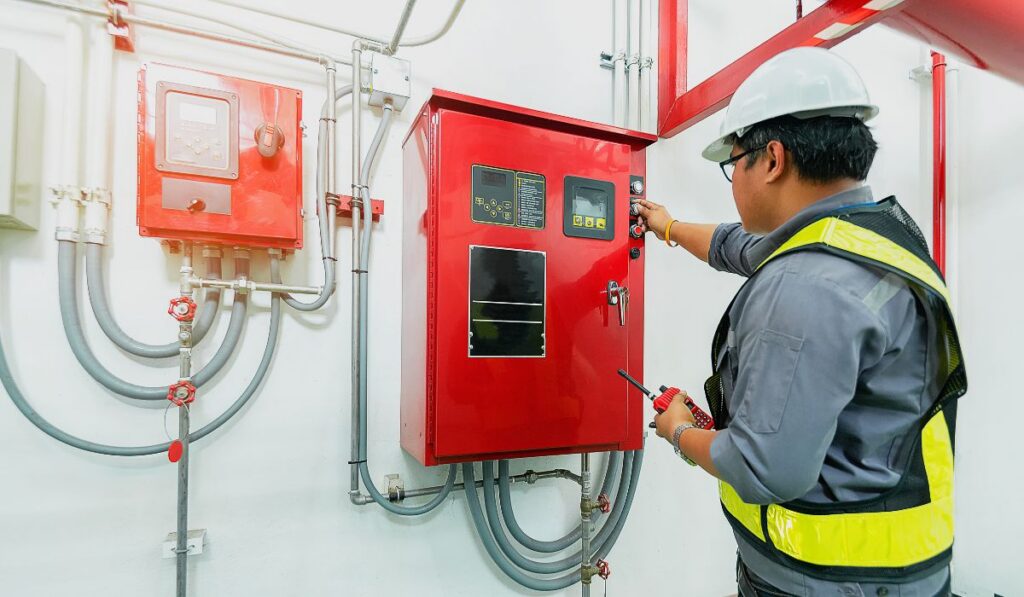
Few engineering disciplines can claim what fire protection engineers can: every day, their work directly saves people’s lives. Fire protection engineers shape the systems and strategies that protect people when it matters most. They play an integral part in evacuation routes that guide occupants to safety, model fire behavior to anticipate how fire and smoke spread, and […]